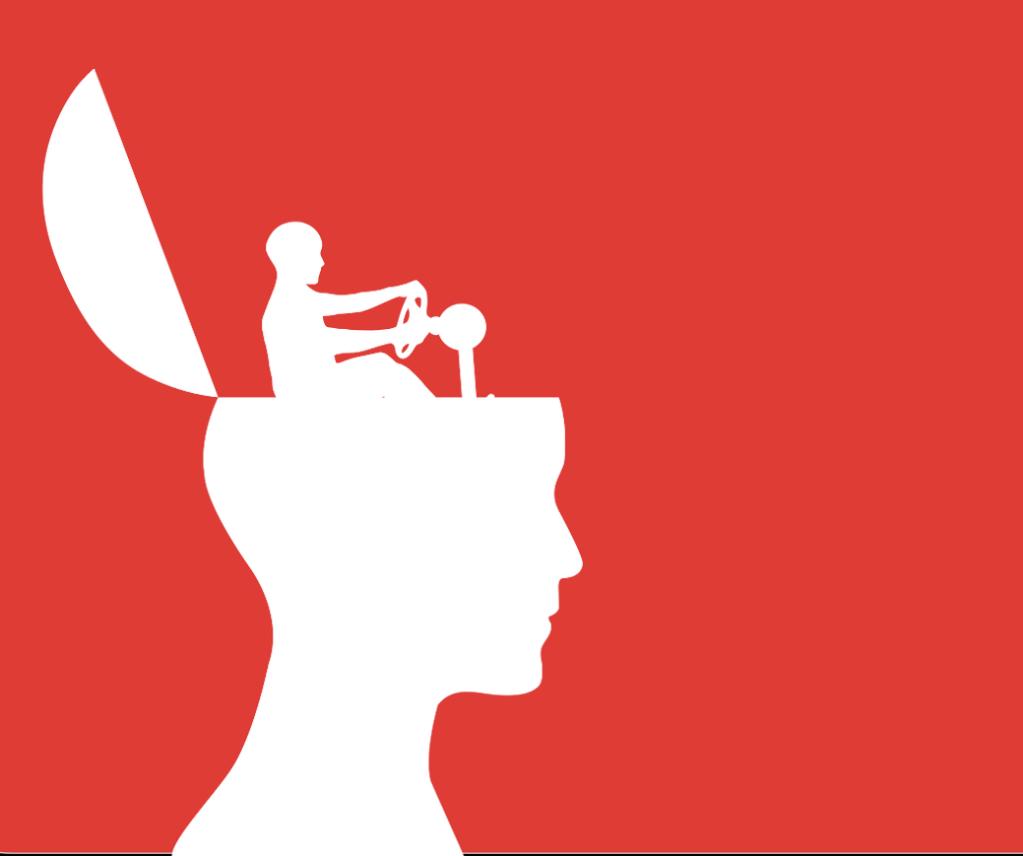
By harnessing the potential of psychometrics while safeguarding against its inherent limitations, we can ensure a truly equitable and holistic educational experience for all.
PSYCHOMETRICS is the latest buzzword in India’s higher education landscape. The market is inundated with a battery of tests and psychometric testing is being hailed as the magic formula for a good innings. However, in the age of Artificial Intelligence, this tool needs to be handled with caution for best results.
What are psychometric tests?
Psychometric tests are standardized assessments that are used to measure behaviour or mental attributes. These attributes include attitudes, emotional functioning, intelligence and cognitive abilities, aptitude, values, interests, personality characteristics and more. These tests can also be used to evaluate the state of mental health and detect signs of psychological or neurological disorders. These tests are used in schools, research labs, workplaces. In India, organizations are using them to evaluate potential hires. Pilots, police, agniveers – the entire spectrum. The Punjab government has recently allocated Rs 6.65 crore to conduct psychometric tests for female Class 10 students to help them make better career choices.
The word psychometric is derived from the Greek words, psyche and metric, which literally translated means ‘measurement of the mind’. Psychometrics refers to the field in psychology devoted to testing, measurement, assessment and related activities. The psychometrics field looks at the theory and technique of psychological measurement, which quantifies knowledge, abilities, attitudes and personality traits.
There are various kinds of tests on offer. The High School Personality Questionnaire is used to measure a child’s personality traits. Then there is the Myers-Briggs Type Indicator, another personality assessment. Besides IQ and personality, other traits such as interests and aptitude are also measured by using tests such as the Strong Interest Inventory and the Differential Aptitude Test. There are tests to determine stream selection, aptitude and IQ for various subjects. Prices for these can range from Rs 2,000 to 3,000 per student.
Data-driven approach could empower educators
The appeal of these tests is undeniable. India’s New Education Policy 2020 emphasises the need to move beyond traditional exams by focusing on holistic development and assessment. This is where psychometric tests could come in handy by evaluating a student’s strength and weaknesses, offering personalised learning pathways and informed career guidance. These tests can be used for entrance examinations, identify gifted students and provide vocational guidance aligned with individual interests. Countries such as Finland have successfully incorporated assessment systems for teaching and curriculum developments. Closer home, Singapore uses aptitude tests for specialised school admissions.
Well-designed psychometric tests can offer key insights into learning styles and identify learning disabilities, enabling timely interventions. The data-driven approach could empower educators to move away from a one-size-fits-all pedagogy and embrace a teaching method that meets diverse needs. Large-scale assessments, specifically for university admissions, could reduce the reliance on resource-heavy and stress-inducing traditional examinations, leading productivity levels to skyrocket.
“In today’s context it has become even more useful and a relevant tool to be able to give a framework to lean into when considering options out of plethora of choices. I believe it acts like a bridge or provides a starting point towards a direction for young learners or students as it sometimes gets very confusing for young students when confronted with a choice to make or articulate the direction they wish to pursue,” says Hazel Siromoni, Pro Vice Chancellor (International), Chitkara University.
High stakes testing leads to a narrow definition of intelligence
Critics argue that psychometric tests often suffer from cultural biases, reflecting the norms and values of their creators excluding students from diverse socio-economic and cultural backgrounds. An over-reliance on these tests could lead to a narrow definition of intelligence, overlooking crucial aspects such as creativity, emotional intelligence, and practical skills – qualities that are equally important for success in the VUCA age.
The parent of a neurodivergent teenager, who did not wish to be named, felt that the tests do more harm than good and do not benefit students who are different from the rest. “It didn’t help my son at all. Made him more anxious and the test results were quite ambiguous, didn’t really help identify the pathways he should select,” she explained.
The pressure associated with high-stakes testing often has a negative impact on students’ mental health and well-being. The fear of being labelled or pigeonholed based on a single test score can stifle motivation and lead to anxiety. The coaching culture that mushrooms around such tests adds to the problem. In several instances, test-taking strategies have been prioritized over genuine learning and comprehension.
“I feel there are many misconceptions about these tests. Some students feel that it labels and limits them. However, a responsible counsellor will be able to explain that these tests are measuring an attribute at a certain point in time. Students are constantly growing and developing their skills and therefore, a low score in a certain attribute may not mean that the student cannot achieve in that area. Even aptitude can be improved with effort and persistence, over time,” explains Ruchika Castelino, Founder and Independent Study Abroad Consultant, QED International Education.
The Way Forward
The NEP acknowledges the need for a “shift towards more formative assessments” and emphasises the development of “holistic progress cards.” However, the policy also mentions the potential use of standardised aptitude tests for crucial junctures like school leaving and university entrance examinations. The key lies in striking a delicate balance. Drawing from global best practices, India could consider adopting a more nuanced approach. For instance, incorporating multiple assessment methods, including portfolios, projects, and teacher evaluations, alongside psychometric tests could provide a more comprehensive understanding of a student’s abilities.
Stringent guidelines are needed for the development and administration of these tests to ensure fairness, validity, and reliability. Investing in the training of educators to interpret and utilize test data effectively is equally crucial. Simply introducing psychometric tests without the necessary infrastructure and expertise could lead to misinterpretations and misapplications, ultimately undermining the very goals the NEP seeks to achieve.
“In an interest inventory that identifies the key interests of the student, I have observed some counsellors focus only on the high interest areas and push the students towards these. However, a low interest score in an area may not mean that the student is not interested in that area. It could simply mean that the student has not had the opportunity to explore that area as yet,” Castelino adds.
With Artificial Intelligence increasingly being used to enhance psychometric testing, a certain amount of caution needs to be exercised. The risks of over-dependance on AI include inaccurate assessments, algorithmic bias, misuse of data and other privacy concerns.
“In the AI generation, the relevance of psychometric tests remains a topic of debate. While AI’s data-driven approach is powerful, psychometric tests offer transparency, objectivity, and standardized assessment methods that are challenging for AI to replicate fully,” writes Sachin Sandhir, Founder-CEO, GENLEAP in Financial Express.
The path forward requires a cautious and well-thought-out approach. Psychometric tests, when used judiciously and as part of a broader assessment framework, can offer valuable insights. However, an over-reliance on these tools risks creating a system that prioritizes quantifiable metrics over human potential. The true measure of intelligence is not a score but an ability to learn, adapt and contribute meaningfully. If we are able to harness the potential of psychometrics while safeguarding against its inherent limitations, we can ensure a truly equitable and holistic educational experience for all.

Leave a comment